How to Automate Puppy Waitlist Emails Without Losing the Personal Touch

Keeping your waitlist warm is just as important as filling it. If too many buyers go silent, you eventually end up chasing replacements, delaying placements, or refunding deposits. As a result, even strong demand can start to feel unstable. Fortunately, the solution is not more manual follow-ups. Instead, it is a simple, automated communication cadence that keeps everyone informed without sounding robotic.
In this guide, you will learn how to structure buyer communication so your waitlist stays engaged, confident, and ready to move forward.
Why waitlists go cold
Most waitlists do not fail because of a lack of interest. Rather, they fail because of uncertainty. When buyers do not hear from a breeder for weeks, they start to assume they have been forgotten, passed over, or that plans have changed. Consequently, excitement slowly turns into doubt.
At the same time, many breeders avoid frequent updates because they fear overwhelming people or creating extra work. However, inconsistent communication actually creates more work. Buyers who are unsure ask more questions, send more messages, and require more reassurance. Therefore, the real goal is not more messages. It is better-timed messages.
The five email moments every serious puppy buyer expects
Although every program is different, serious puppy buyers generally expect the same core touchpoints. When these are delivered consistently, confidence increases and drop-off decreases.
1. Immediate confirmation after applying
First impressions matter. Therefore, every buyer should receive an immediate confirmation after submitting an application or inquiry.
This message should:
- Thank them for their interest
- Explain what happens next
- Set expectations for timelines and selection processes
Most importantly, it reassures them that their application was received and that they are officially in your system.
2. Acceptance and waitlist placement
Next, once a buyer is approved, they expect clarity. This is where many waitlists become vague. Instead, this message should clearly explain:
- Whether they are officially on the waitlist
- What that status means
- What they can expect to receive going forward
Additionally, this is the moment to explain how you handle deposits, selections, and estimated timing. As a result, buyers understand the process before emotions are involved.
3. Pregnancy or breeding updates
Once a breeding takes place or a pregnancy is confirmed, buyers expect proactive news. Even a short update dramatically increases trust.
This message often includes:
- Confirmation of breeding or pregnancy
- Estimated due dates
- What milestones you will update them on next
At this stage, communication shifts from administrative to emotional. Therefore, consistency becomes even more important.
4. Litter progress and development updates
After puppies arrive, buyers want to feel included. Consequently, this is where your regular cadence matters most.
These updates typically cover:
- Birth announcements
- Growth milestones
- Photos and short observations
- Estimated go-home windows
Instead of waiting for questions, proactive updates prevent them. Moreover, they make buyers feel connected to the process rather than anxious about it.
5. Selection, pickup, and transition messages
Finally, as selection and pickup approach, buyers expect guidance. This is when confusion can easily spike if communication is unclear.
These messages usually include:
- Selection instructions
- Deposit or payment reminders
- Pickup scheduling
- Preparation guidance
At this stage, structured emails reduce mistakes, missed payments, and last-minute chaos.
Why drafting templates once changes everything
Writing messages from scratch every time feels manageable at first. However, over time, it becomes inconsistent, emotional, and easy to delay. As a result, communication quality often drops during the busiest seasons.
Templates solve this problem.
By drafting your core messages once, you:
- Ensure every buyer receives the same professional experience
- Remove emotional decision-making from communication
- Save time every single litter cycle
Furthermore, templates allow you to refine your wording over time without rebuilding your process.
Using merge fields to stay personal without manual work
Automation does not mean sounding automated. Instead, personalization comes from structure.
Merge fields allow your system to automatically insert details such as:
- Buyer name
- Litter name
- Due dates
- Puppy age
- Selection windows
As a result, one well-written template can feel custom to every buyer. Meanwhile, you stay focused on breeding, health, and placements rather than repetitive typing.
Plugging your cadence into BreederBuddy
Once your messages are defined, the next step is timing. This is where most systems fail. They either send nothing automatically or they over-send generic blasts.
BreederBuddy allows you to connect communication directly to real events, such as:
- Application submissions
- Waitlist status changes
- Breeding and litter milestones
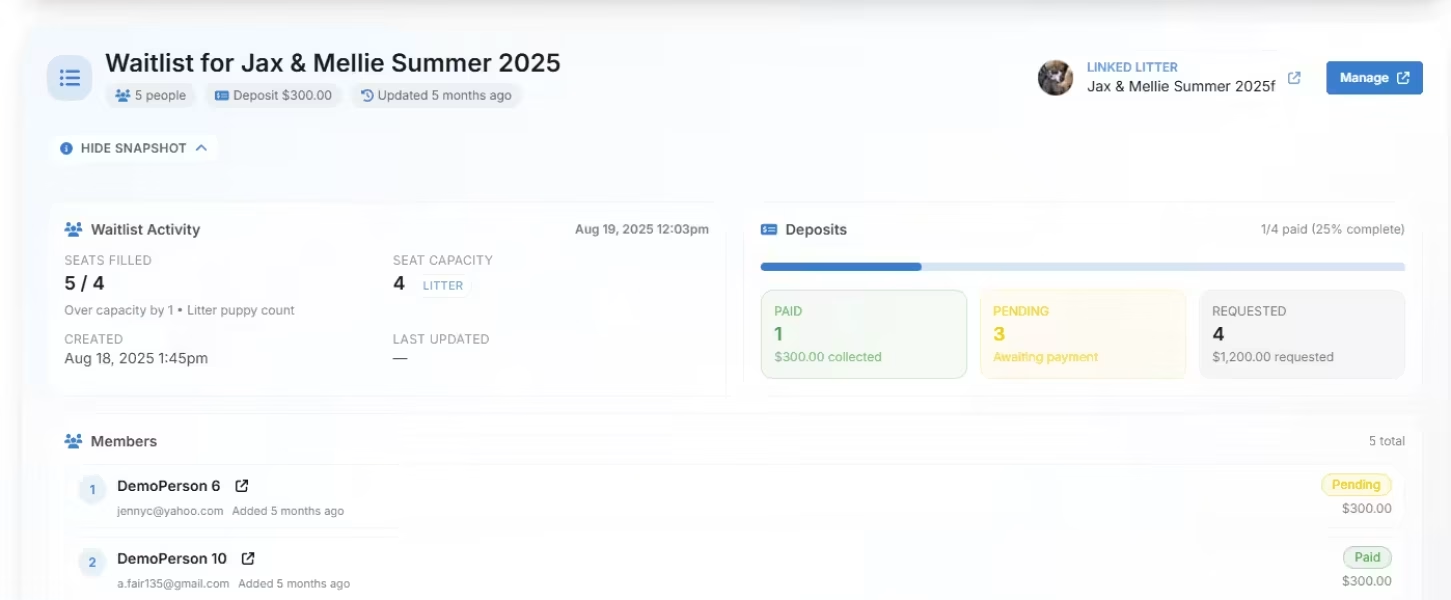
- Deposit activity
- Selection and pickup phases
Because messages are tied to actions, buyers receive updates when something meaningful happens. Consequently, communication feels helpful rather than noisy.
In addition, all messages are logged on the buyer timeline. Therefore, any teammate can instantly see what has been sent, when it was sent, and what stage each buyer is in.
What a healthy, warm waitlist looks like
When your cadence is working, several things change.
- Buyers stop asking if anything is happening
- Deposits come in faster
- Selections feel smoother
- Drop-off decreases
- Your inbox becomes quieter
Most importantly, buyers arrive at pickup already confident in your program. That confidence translates into better relationships, fewer disputes, and stronger referrals.
Getting started
If you want to build a warm, professional waitlist, start simple.
First, list the five moments where buyers most often feel uncertain.
Next, draft one clear message for each moment.
Then, load those messages into BreederBuddy and attach them to real workflow steps.
From there, your system improves automatically with every litter.